
Case Study - Project #189
18-Hole Public Golf Course | Ontario, Canada
“More Than Just More Rounds”
The Scope
KRG Golf Intensive. Assessment. Strategy. Coaching.
The Overview
+$65,025
In Additional Contribution
48% -> 64%
Weekday Tee-Time Occupancy
78%
Restaurant Spend Increase
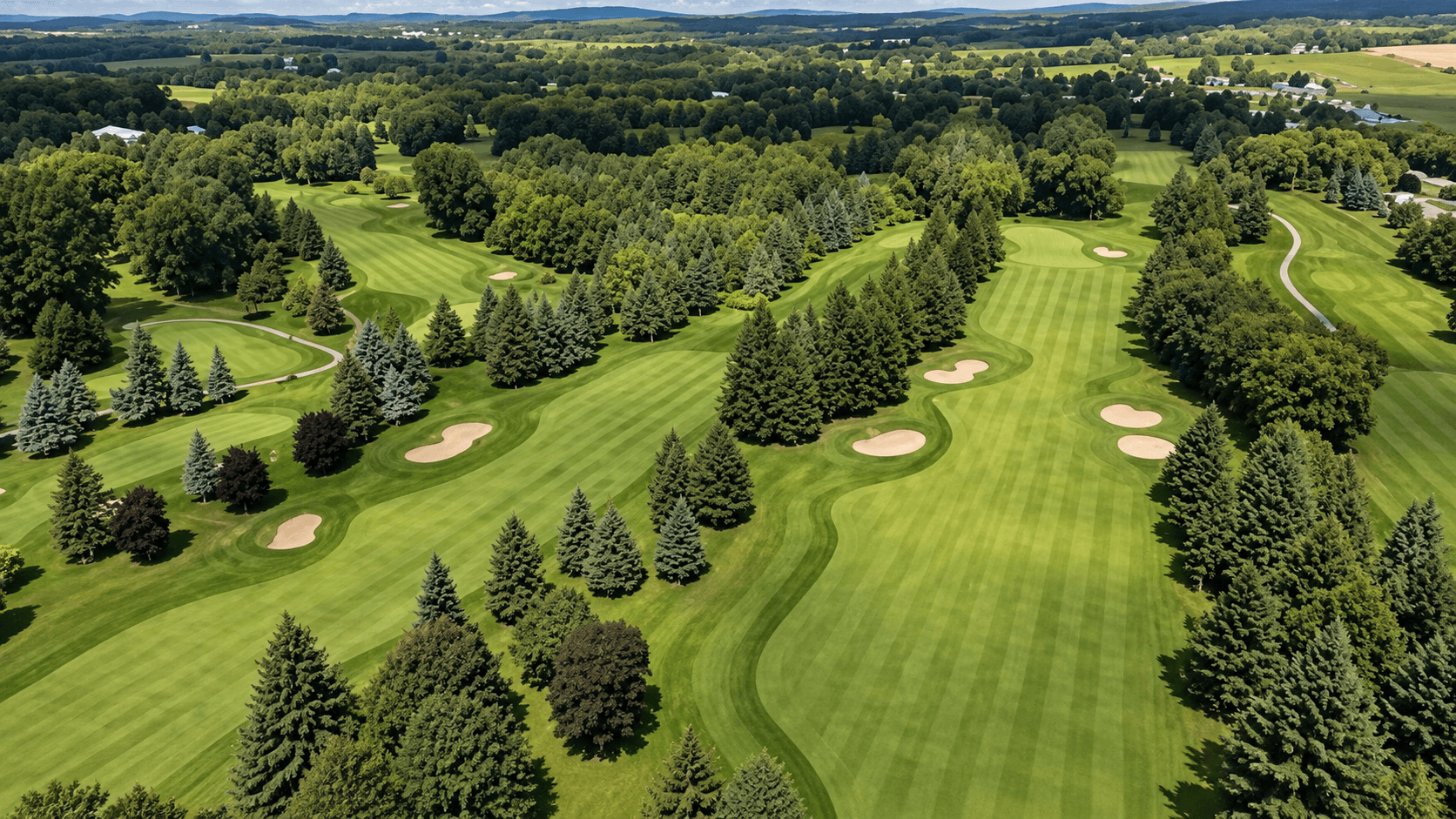
Active course for over 50 years. They averaged 31,000 annual rounds sounds healthy. But rounds alone were hiding the bigger opportunity. Range spend averaged $4.25 per golf visit. Restaurant spend averaged only $9. Only 21 banquet dates were booked across the year. And just 17 percent of identifiable first-time golfers returned within 90 days. One thing was obvious. This course did not simply need more golfers. It needed every part of the business to work harder around the golfers it already had.
The Brief
This established 18-hole public / semi-private course had much more than a golf course.
It had a pro shop, driving range, membership base, leagues, restaurant, and banquet facilities.
And thousands of annual guest visits already moving through the property.
The challenge was not relevance.
The operation already had guests, infrastructure, and market awareness.
The challenge was capture.
Too much value was being left between the tee sheet, range, clubhouse, restaurant, events business, and next visit.
KRG Golf was brought in to assess the operation, identify the commercial gaps, develop the strategy, and coach management through execution.
The objective was not to reinvent the golf course.
It was to increase the value of the business surrounding every guest and every round.
The Opportunity
The baseline findings told the story.
31,000 annual rounds.
$51 average realized green fee.
$4.25 average range spend per golf visit.
$9 restaurant spend per golf visit.
21 booked banquet dates.
17 percent 90-day return rate among identifiable first-time golfers.
None of these numbers were catastrophic, but that was exactly why the opportunity mattered.
Performance was being lost in small gaps across the operation.
There was unused weekday inventory and issues around the fee and yield, the pre-round spending, the post-round spending, banquet utilization, and first-time golfer retention.
The property did not need one dramatic fix. It needed multiple improvements working together.
The Clarity
31,000 Rounds Were Not the Finish Line
The traditional instinct would have been to chase substantially more rounds.
KRG looked deeper. The stronger opportunity was to improve when golfers played, what each visit generated, and whether that visit created another one.
Weekdays Had Room to Work Harder
With lower occupancy, weekday capacity represented perishable inventory.
Once a tee time passed, it could never be sold again. Programming, targeting, offer structure, leagues, communication, and booking strategy were adjusted to build stronger weekday demand without relying solely on broad discounting.
Yield Mattered as Much as Volume
The course did not need to fill the tee sheet at any cost.
Realized green fee mattered. Pricing strategy and inventory decisions were reviewed through the lens of demand, guest segment, timing, and total customer value.
The Round Started Before the First Tee
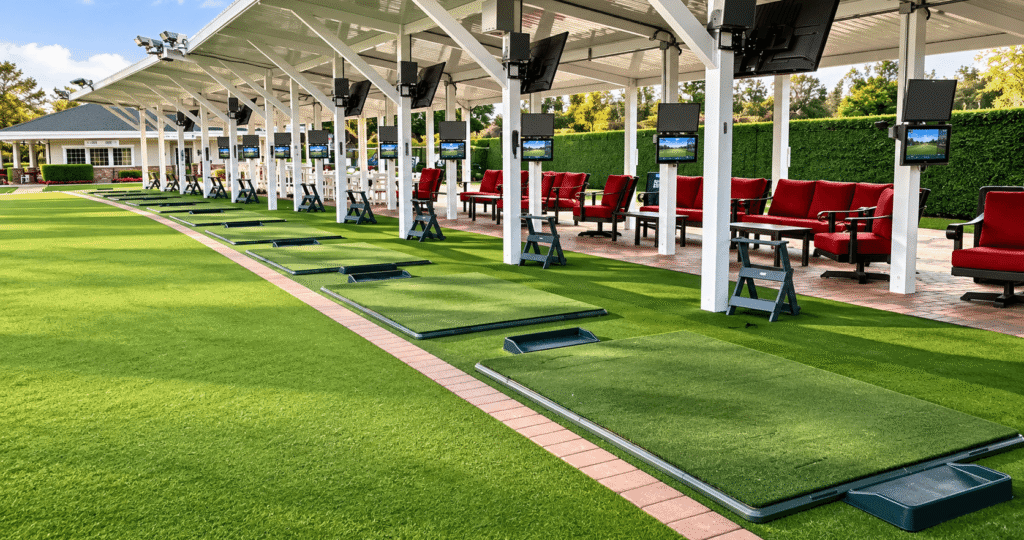
The driving range was already there. The golfers were already there.
But average range spend sat at only $4.25 per golf visit.
The opportunity was not complicated. Make practice easier to add to the occasion.
The Round Did Not End on 18
Restaurant spend averaged only $9 per player visit.
That meant thousands of annual guests were using the golf course without fully using the hospitality business connected to it.
Menu engineering, service speed, golfer flow, offers, league integration, and post-round occasions were addressed together.
Banquets Needed a Sales System
A banquet room does not generate revenue because it exists.
With just 21 booked dates across the year, the space needed stronger packaging, clearer target occasions, outbound activity, local partnerships, and follow-through.
First-Time Golfers Needed a Second Invitation
Only 17 percent of identifiable first-time golfers booked another round within 90 days.
The acquisition had already happened. The next opportunity was retention.
Guest data, communication, offers, and post-visit touchpoints were adjusted to create a deliberate path toward another booking.
The Results
Over the following twelve months, the performance shifted across several areas.
Annual rounds increased from 31,000 to 32,700.
Weekday player-slot occupancy increased to 64 percent.
Average realized green fee moved from $51 to $55.
Range spend per golf visit increased from $4.25 to $5.50.
Restaurant spend increased from $9 to $16 per player visit.
Booked banquet dates increased from 21 to 34.
And the 90-day return rate for identifiable first-time public golfers increased from 17 percent to 26 percent.
The additional rounds alone demonstrate the value of relatively small operating gains.
The course generated approximately 1,700 additional rounds, an average of only four to five more rounds per day across a full year.
At the new combined golfer value of approximately $76.50 across green fee, range, and restaurant spend:
1,700 additional rounds × $76.50 × 50 percent contribution = $65,025.
More than $65,000 in additional contribution after estimated direct costs, before accounting for the broader impact of stronger green-fee yield on existing traffic, higher range and restaurant capture, or the additional banquet dates.
That was the bigger lesson. The course did not need 10,000 more golfers.
It needed to become better at monetizing capacity, extending the visit, and earning the next one.
The golf was already there. The opportunity was everything surrounding it.
Your Next Steps
Complete Your Scorecard
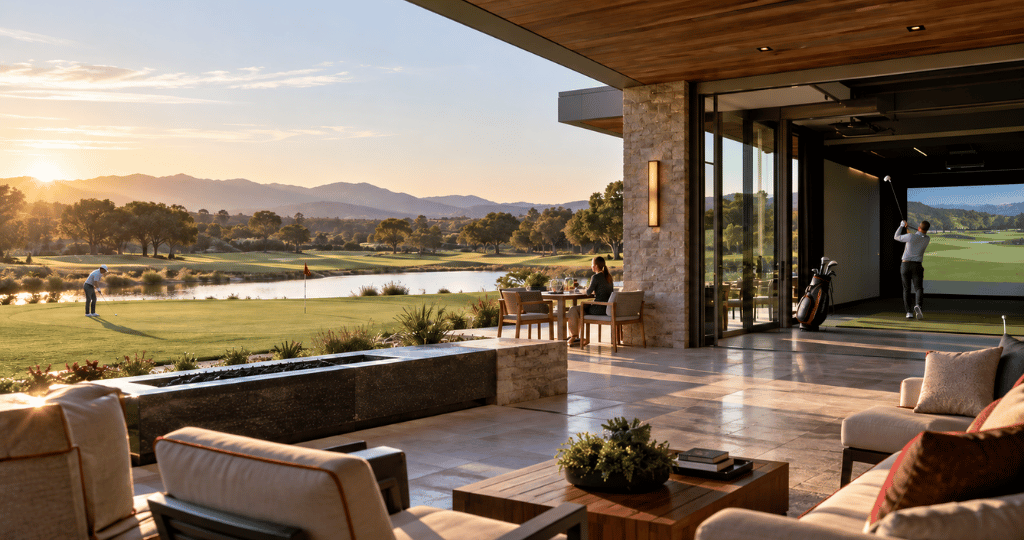
Uncover hidden performance gaps, overlooked revenue opportunities, and strategic priorities across your entire golf business in just a few minutes.
KRG Golf Intensive
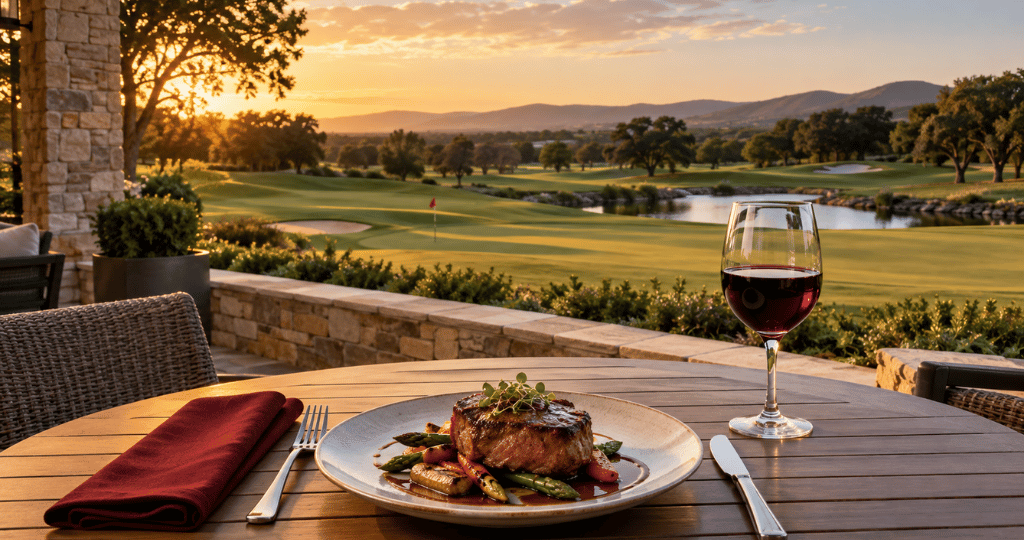
Connect strategy, operations, hospitality, leadership, and revenue through a practical 12-month plan supported by expert coaching and ongoing accountability.
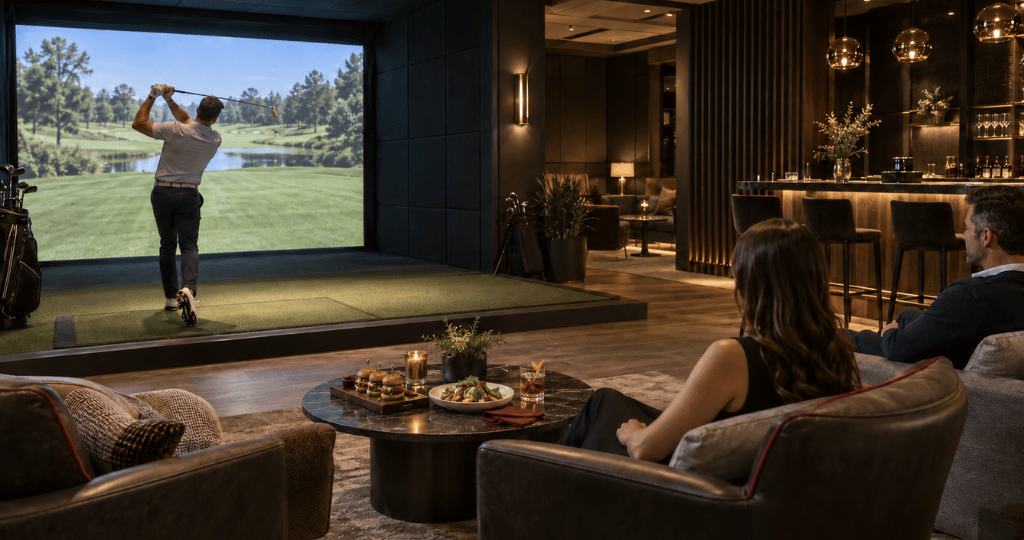
Related Work

Indoor Golf Venue | North Carolina, USA
“Eight Bays. One Clearer Reason to Choose Them.”
Independent Golf Entertainment Venue | Oregon, USA
“Opening Buzz Was Never the Retention Strategy.”