
Case Study - Project #278
Indoor Golf Venue | North Carolina, United States
“Eight Bays. One Clearer Reason to Choose Them.”
The Scope
KRG Golf Intensive. Assessment. Strategy. Coaching.
The Overview
-4 Points
In Food Cost Reduction
+ 14 Points
In Off-Peak Bay Occupancy
28%
Growth In League and Event Revenue
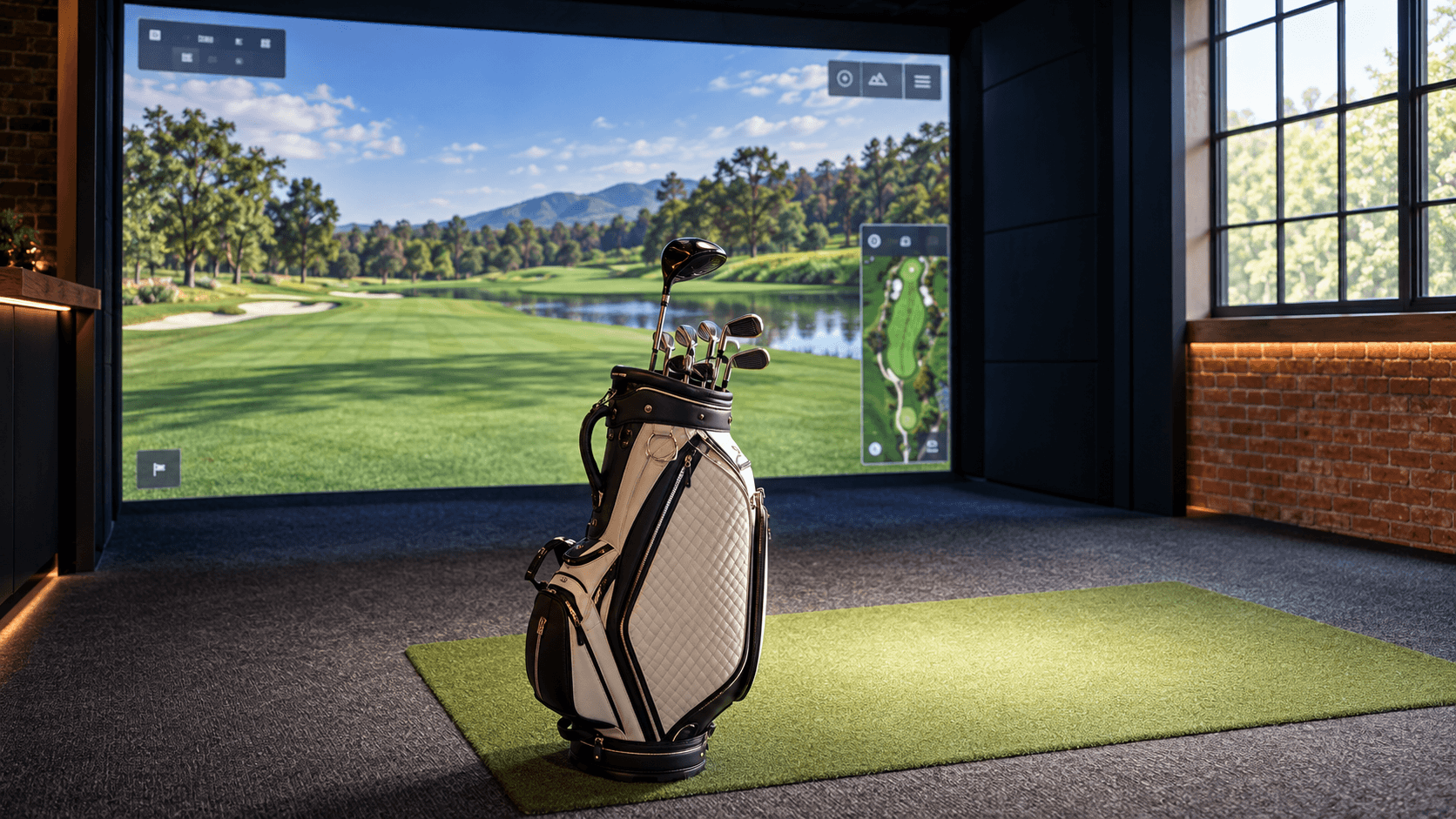
Eight simulator bays. A BBQ-driven food and beverage program. A concept with leagues, events, and competitive socialization. The pieces were there. The problem was that the market could not clearly see why this venue was different. The business had built a strong physical product, but differentiation was becoming harder, the positioning was too broad, and food and beverage costs to support the BBQ program, were putting unnecessary pressure on margins. The answer here was not more programming. The answer here was making everything already inside the business, work better together.
The Brief
This independent indoor golf venue had entered the market with eight simulator bays, a BBQ-focused restaurant and bar, recurring leagues, group events, and a strong belief in the continued growth of social and indoor golf.
It had plenty to sell. But the business was beginning to compete on the same features everyone else was promoting.
The venue needed a stronger reason to be chosen over the others.
At the same time, the BBQ program had become operationally complex. Costs needed tighter control. Promotions were not always connected to profitability. Leagues and events generated activity, but they were not yet working together as part of one deliberate guest journey.
KRG Golf was engaged through the Intensive to assess the operation, define the strategic priorities, and coach the team through implementation.
The objective became clear. Create a more differentiated business without adding unnecessary complexity.
The Opportunity
The simulators and the technology were not the problem.
Neither was the food (it was fantastic).
The opportunity sat in the connections between them.
Who was the primary guest? What occasions did the business want to own?
Why should a golfer choose this venue instead of another simulator business, a traditional course, a sports bar, or an evening somewhere else?
And once they visited, what gave them a reason to return?
KRG reviewed the positioning, competitive environment, pricing, programming, league structure, event strategy, food and beverage mix, cost controls, guest journey, marketing, and operating rhythms.
The assessment identified a business with strong components but too many of them operating independently.
The strategy needed to make the venue feel less like a collection of amenities and more like one cohesive business.
The Clarity
The Bays Were Not the Brand
Simulator technology could support the experience, but it could not be the reason the brand existed.
The positioning shifted toward the occasion around golf. Competition. Connection. Food. Social energy. Repeatable experiences that could exist beyond the technology itself.
BBQ Had to Earn Its Place
The food program gave the venue personality, but personality without margin discipline creates pressure.
Menu engineering, purchasing, portioning, product mix, pricing, waste, and promotional decisions were reviewed so the BBQ identity could remain part of the experience without weakening the economics.
Leagues Needed to Create Habit
A league is more valuable than a block of reserved bay time.
It creates recurring behavior.
The league program was reframed around retention, community, food and beverage attachment, future bookings, and continued engagement after the league schedule ended.
Events Needed to Be Easier to Buy
The business could host groups.
That was different from having a clear group-sales product.
Packages, occasions, pricing logic, communication, and sales pathways were tightened so corporate groups, celebrations, and social bookings could understand the offer faster.
Cost Control Needed Visibility
Knowing food cost after the month closes is too late.
The Intensive brought more discipline around operating KPIs, purchasing decisions, menu performance, labour awareness, and management accountability.
The team could see where margin was being created.
And where it was disappearing.
One Business Needed One Playbook
Marketing could not promote one thing while operations delivered another.
The strategy connected positioning, programming, food and beverage, service, events, and leadership around the same commercial priorities.
The Results
The venue came out of the Intensive with a clearer position in the local market and a more disciplined operating model behind it.
The simulator bays had a stronger role within the overall experience.
The BBQ program was refined around both identity and margin.
Leagues became a retention tool rather than simply scheduled occupancy.
Events became easier to package, communicate, and sell.
Management gained stronger visibility into the costs and decisions affecting profitability.
And marketing had clearer stories, occasions, and audiences to build campaigns around.
The biggest change was not one promotion or one menu decision. It was strategic alignment.
Before the Intensive, the business was selling golf bays, BBQ, leagues, drinks, and events.
Afterwards, those pieces were working as one experience.
The technology brought people in.
The operating strategy gave them more reasons to spend.
The experience gave them more reasons to return.
Your Next Steps
Complete Your Scorecard
Uncover hidden performance gaps, overlooked revenue opportunities, and strategic priorities across your entire golf business in just a few minutes.
KRG Golf Intensive
Connect strategy, operations, hospitality, leadership, and revenue through a practical 12-month plan supported by expert coaching and ongoing accountability.
Related Work
Independent Golf Entertainment Venue | Oregon, USA
“Opening Buzz Was Never the Retention Strategy.”